Police Body Cameras: Enhancing Transparency and Accountability in Law Enforcement
# Police Body Cameras: Enhancing Transparency and Accountability in Law Enforcement
## The Rise of Police Body Cameras
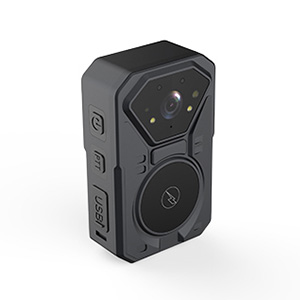
In recent years, police body cameras have become an increasingly common tool in law enforcement agencies across the globe. These small, wearable devices are typically attached to an officer’s uniform and record audio and video of interactions with the public. The adoption of this technology has sparked significant debate about its effectiveness, privacy concerns, and impact on police-community relations.
## Benefits of Body-Worn Cameras
Increased Transparency
One of the primary advantages of police body cameras is their ability to provide an objective record of encounters between officers and civilians. This footage can be crucial in investigations of alleged misconduct or use-of-force incidents, helping to establish facts and reduce conflicting accounts.
Improved Officer Behavior
Studies have shown that both police officers and civilians tend to behave more professionally when they know they’re being recorded. This “civilizing effect” can lead to fewer complaints against officers and reduced use of force incidents.
Enhanced Evidence Collection
Body camera footage serves as valuable evidence in criminal cases, providing clear documentation of crime scenes, suspect statements, and officer observations. This can lead to stronger prosecutions and faster resolution of cases.
## Challenges and Concerns
Privacy Issues
The widespread use of body cameras raises significant privacy concerns, particularly regarding the recording of individuals in vulnerable situations or private spaces. Balancing transparency with privacy rights remains an ongoing challenge.
Data Storage and Management
The massive amount of video data generated by body cameras presents logistical and financial challenges for police departments. Proper storage, retention policies, and redaction procedures must be established.
Selective Recording
Concerns exist about officers potentially manipulating recordings by turning cameras on or off at strategic moments. Clear policies about when cameras must be activated are essential to maintain trust in the system.
## Policy Considerations for Effective Implementation
To maximize the benefits of body cameras while minimizing potential drawbacks, law enforcement agencies should consider:
- Developing clear guidelines for when cameras must be activated
- Establishing protocols for data storage and public access to footage
- Providing comprehensive training for officers on proper use
- Implementing robust systems to protect the privacy of individuals recorded
- Creating independent oversight mechanisms for reviewing footage
Keyword: police body cameras
## The Future of Police Body Cameras
As technology advances, we can expect to see improvements in body camera systems, including better battery life, higher resolution, and potentially even live-streaming capabilities. However, the success of these tools will ultimately depend on how they’re implemented and integrated into broader police reform efforts.
While body cameras are not a panacea for all challenges in policing, when used properly, they represent an important step toward greater accountability and trust between law enforcement and the communities they serve.