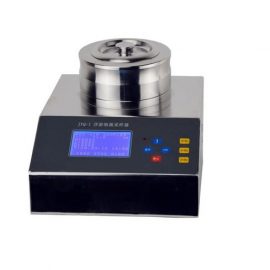
The Ultimate Guide to Spray Oiling Machines: How to Choose the Best One for Your Needs
# The Ultimate Guide to Spray Oiling Machines: How to Choose the Best One for Your Needs
**Introduction: Why Spray Oiling is Essential**
In modern manufacturing and maintenance, precision lubrication is non-negotiable. Spray oiling machines have revolutionized how we apply oils, release agents, and protective coatings, ensuring uniform coverage, reducing waste, and boosting efficiency. Whether you’re in food processing, metalworking, or textiles, choosing the right system is critical. This guide will help you navigate the key features and find the perfect machine for your production line.
## **Key Features to Evaluate**
Selecting the best equipment requires understanding its core capabilities. Look beyond the basic function and assess what will deliver long-term value for your specific application.
### **Precision and Control Mechanisms**
Modern spray oiling systems offer unparalleled control. Key features include adjustable nozzles for spray pattern (fan, cone, or mist), precise flow rate regulators, and programmable timers. This ensures you apply the exact amount of lubricant only where it’s needed, minimizing overspray and product usage.
### **Durability and Build Quality**
A machine is only as good as its construction. Opt for models with stainless steel or anodized aluminum components, especially for food-grade or corrosive environments. Robust seals and pumps designed for continuous operation will reduce downtime and maintenance costs, providing a better return on investment.
### **Versatility and Compatibility**
Can the machine handle different viscosities? Is it easy to clean for switching between products? Versatile systems that accommodate various oils and coatings add tremendous flexibility to your operations. Check compatibility with your existing line’s speed and integration points.
## **Navigating the Selection Process**
With so many options, making a decision can be overwhelming. Follow this structured approach to narrow down your choices effectively.
**Step 1: Define Your Application Needs**
Start by detailing your primary use case. Are you coating baking trays, lubricating machine parts, or applying anti-rust oil? The required viscosity, coverage area, and production speed will directly dictate the machine’s specifications.
**Step 2: Consider Operational Scale and Environment**
A high-volume automotive plant has different needs than a small bakery. Assess your production volume and the environment (clean room, high heat, washdown areas). This will determine the necessary automation level, tank capacity, and ingress protection (IP) ratings.
**Step 3: Compare Automation and Integration**
For automated lines, look for machines with PLC compatibility, sensor triggers, and easy connectivity. Semi-automatic or manual models might suffice for smaller-scale or batch processes. The right level of automation maximizes throughput and consistency.
**Step 4: Analyze Total Cost of Ownership**
Look beyond the initial price tag. Factor in energy consumption, ease of cleaning (affecting labor costs), availability of spare parts, and the supplier’s warranty and support. A reliable, slightly more expensive spray oiling machines often proves cheaper in the long run.
## **Frequently Asked Questions (FAQ)**
**Q: How do I maintain my spray oiling machine?**
A: Regular maintenance is simple but crucial. Daily checks should include inspecting nozzles for clogs, ensuring fluid levels are adequate, and wiping down exteriors. Follow the manufacturer’s schedule for pump servicing and filter changes to ensure consistent performance.
**Q: Can one machine handle different types of oil?**
A: Many models are designed for versatility. However, thoroughly cleaning the reservoir, pump, and lines when switching products is essential to prevent cross-contamination. For frequent changes, consider machines with quick-disconnect or clean-in-place (CIP) features.
**Q: What safety features are important?**
A: Prioritize machines with overflow protection, leak detection, and automatic shut-off functions. For hazardous environments, ensure the unit has appropriate explosion-proof or spark-resistant certifications to meet workplace safety standards.
**Ready