The Ultimate Guide to Vacuum Transfer Systems: How They Work and Why They’re Essential
The Ultimate Guide to Vacuum Transfer Systems: How They Work and Why They’re Essential
In the world of modern manufacturing and material handling, efficiency, cleanliness, and safety are paramount. This is where the vacuum transfer system becomes a game-changer. This comprehensive guide will explain how these powerful systems operate and why they are indispensable across numerous industries.
How Does a Vacuum Transfer System Work?
The core principle is elegantly simple. A vacuum transfer system uses negative pressure (a vacuum) created by a pump or blower to gently move powders, granules, and other dry bulk materials through sealed pipelines. Material is drawn from a source—like a drum, bulk bag, or mixer—into a receiver vessel at the destination. This closed-loop design is key to its benefits.
Key Components and Material Handling
Every system features essential parts: a vacuum source (pump), a material receiver with filter, pipeline, and controls. The process is cyclical: vacuum creation, material pickup, separation in the receiver, and discharge. This method is superior for dust-free conveying and protecting sensitive products from contamination.
Why Are Vacuum Conveying Systems Essential?
Their importance cannot be overstated. They dramatically improve workplace safety by containing potentially hazardous or explosive dusts. They enhance product quality by preventing contamination and reducing waste. Furthermore, they boost operational efficiency by enabling rapid, automated transfer over distances and into processing equipment, supporting lean manufacturing goals.
Applications in Food, Pharma, and Chemicals
From transferring flour and sugar in food production to handling active pharmaceutical ingredients (APIs) under strict containment, these systems are vital. In the chemical industry, they safely move pigments, resins, and other powders, mitigating exposure risks and ensuring batch consistency.
Frequently Asked Questions (FAQ)
What materials can be conveyed? Most free-flowing powders and granules, from fine powders to small pellets, are suitable.
How far can material be transferred? Distances vary, but modern systems efficiently convey materials horizontally and vertically over significant distances within a plant.
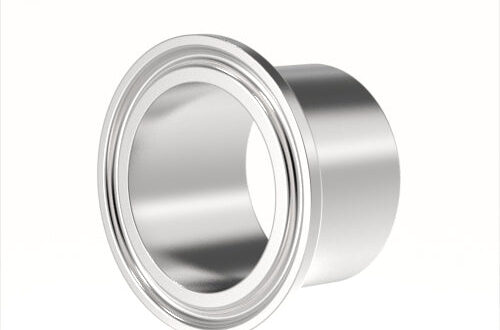
Are they difficult to clean? No. Many systems feature quick-release clamps and polished surfaces for fast, effective cleaning and changeover (CIP/SIP).
Ready to Optimize Your Process?
Implementing a reliable vacuum transfer system is a strategic investment in productivity and quality. Whether you’re looking to reduce dust, automate manual handling, or improve safety, the right system delivers a clear ROI.
Contact a specialist today to discuss your specific material handling challenges and discover the ideal solution for your facility.