Police Body Worn Camera: Enhancing Transparency and Accountability in Law Enforcement
# Police Body Worn Camera: Enhancing Transparency and Accountability in Law Enforcement
## The Rise of Police Body Worn Cameras
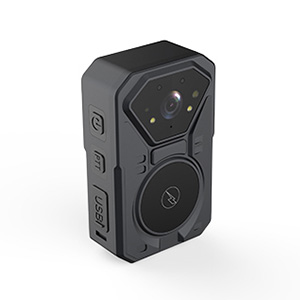
In recent years, police body worn cameras (BWCs) have become an increasingly common tool in law enforcement agencies worldwide. These small, wearable devices are typically attached to an officer’s uniform and record both audio and video interactions with the public. The adoption of this technology has grown rapidly as departments seek to improve transparency, build public trust, and gather evidence for criminal cases.
## Benefits of Body Worn Cameras
Increased Transparency
One of the primary advantages of police body cameras is their ability to provide an objective record of police-public interactions. This footage can help clarify disputed accounts of incidents, protecting both officers and civilians from false accusations.
Enhanced Accountability
When officers know their actions are being recorded, they may be more likely to follow proper procedures and protocols. Similarly, members of the public may modify their behavior when aware they’re being recorded, potentially de-escalating tense situations.
Improved Evidence Collection
Body camera footage can serve as valuable evidence in criminal investigations and court proceedings. The video and audio recordings often provide clearer documentation than written police reports alone.
## Challenges and Considerations
Privacy Concerns
The widespread use of body cameras raises important privacy questions. Departments must establish clear policies about when cameras should be activated and how footage is stored and accessed, particularly in sensitive situations or private residences.
Data Management
The massive amount of video data generated by body cameras presents significant storage and management challenges. Agencies must develop efficient systems for organizing, storing, and retrieving footage while ensuring chain-of-custody protocols.
Policy Development
Effective implementation requires comprehensive policies addressing when cameras should be turned on/off, how long footage is retained, who can access recordings, and under what circumstances footage can be released to the public.
Keyword: police body worn camera
## The Future of Police Body Cameras
As technology advances, we can expect to see improvements in body camera capabilities, including better battery life, higher resolution video, automatic activation features, and integration with other law enforcement technologies. However, the success of these devices ultimately depends on thoughtful implementation, clear policies, and ongoing evaluation of their impact on policing and community relations.
While body cameras are not a panacea for all challenges in law enforcement, when used properly they represent an important tool for enhancing police accountability, protecting civil rights, and building trust between law enforcement and the communities they serve.