Kinetic Chromogenic Endotoxin Test: A Rapid and Sensitive Method for Endotoxin Detection
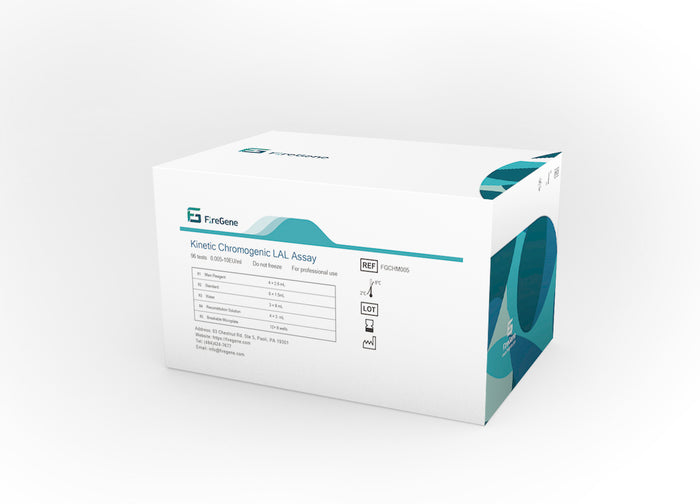
# Kinetic Chromogenic Endotoxin Test: A Rapid and Sensitive Method for Endotoxin Detection
## Introduction
Endotoxins, also known as lipopolysaccharides (LPS), are toxic components of the outer membrane of Gram-negative bacteria. Their presence in pharmaceuticals, medical devices, and other healthcare products can cause severe inflammatory responses in humans. Therefore, accurate and rapid detection of endotoxins is crucial in quality control processes.
## What is the Kinetic Chromogenic Endotoxin Test?
The Kinetic Chromogenic Endotoxin Test is a modern, highly sensitive method for detecting and quantifying endotoxins. This test combines the principles of enzymatic reactions with kinetic measurement, offering significant advantages over traditional methods like the Limulus Amebocyte Lysate (LAL) gel-clot test.
How Does It Work?
The test works through a series of enzymatic reactions:
- Endotoxin activates a proenzyme in the LAL reagent
- This activation triggers a cascade of enzymatic reactions
- The final step cleaves a synthetic chromogenic substrate
- The resulting color change is measured kinetically
The rate of color development is directly proportional to the endotoxin concentration in the sample.
## Advantages of the Kinetic Chromogenic Method
1. High Sensitivity
This method can detect endotoxin levels as low as 0.001 EU/mL, making it one of the most sensitive detection methods available.
2. Quantitative Results
Keyword: Kinetic Chromogenic Endotoxin Test
Unlike gel-clot methods that provide only pass/fail results, the kinetic chromogenic test offers precise quantitative measurements.
3. Rapid Detection
Results are typically available within 15-60 minutes, significantly faster than traditional methods.
4. Automation Compatibility
The test can be easily automated, reducing human error and increasing throughput in quality control laboratories.
## Applications in Various Industries
The Kinetic Chromogenic Endotoxin Test has found widespread application in:
- Pharmaceutical manufacturing
- Medical device production
- Biotechnology research
- Water quality testing
- Food safety monitoring
## Comparison with Other Endotoxin Detection Methods
| Method | Sensitivity | Quantitative | Time to Result |
|---|---|---|---|
| Gel-Clot | 0.03 EU/mL | No | 60+ minutes |
| Turbidimetric | 0.001 EU/mL | Yes | 15-60 minutes |
| Kinetic Chromogenic | 0.001 EU/mL | Yes | 15-60 minutes |
## Future Developments
Research continues to improve the Kinetic Chromogenic Endotoxin Test, with current efforts focusing on:
- Developing recombinant alternatives to LAL
- Creating portable testing devices
- Reducing interference from sample matrices
- Shortening the testing time further
## Conclusion
The Kinetic Chromogenic Endotoxin Test represents