Endotoxin Detection Using Gel-Clot Reagents in Pharmaceutical Testing
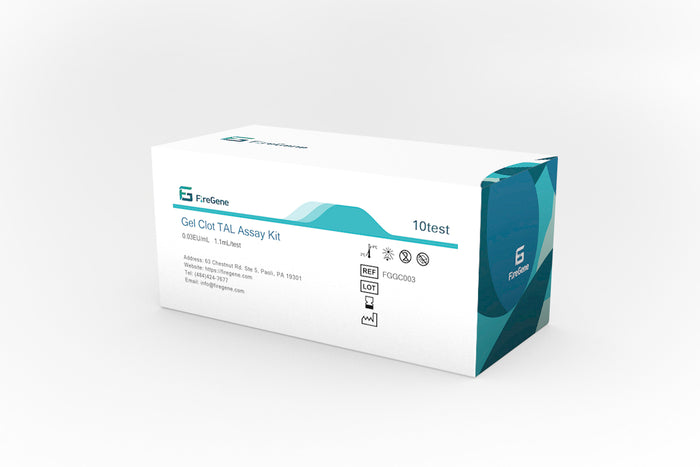
# Endotoxin Detection Using Gel-Clot Reagents in Pharmaceutical Testing
## Introduction to Gel-Clot Endotoxin Reagents
Endotoxin detection is a critical component of pharmaceutical testing, ensuring the safety and quality of injectable drugs and medical devices. Among the various methods available, the gel-clot technique remains a widely used and reliable approach for endotoxin detection. Gel-clot endotoxin reagents play a pivotal role in this process, offering a simple yet effective means of identifying bacterial endotoxins.
## Understanding the Gel-Clot Method
The gel-clot method is based on the clotting reaction of horseshoe crab (Limulus polyphemus) amebocyte lysate (LAL) in the presence of endotoxins. When endotoxins interact with the LAL reagent, they trigger a cascade of enzymatic reactions that ultimately result in the formation of a gel clot.
This method provides a qualitative or semi-quantitative assessment of endotoxin presence, making it particularly valuable for routine testing in pharmaceutical quality control laboratories.
## Key Components of Gel-Clot Endotoxin Testing
The gel-clot endotoxin test system consists of several essential components:
– LAL Reagent: The primary reactive component derived from horseshoe crab blood
– Control Standard Endotoxin (CSE): Used to validate the test system
– Test Tubes: Specially treated to prevent interference with the reaction
– Water Bath: Maintains the optimal temperature (37°C ± 1°C) for the reaction
## Advantages of Gel-Clot Endotoxin Reagents
Gel-clot reagents offer several benefits for pharmaceutical testing:
– Simplicity: The method requires minimal equipment and technical expertise
– Cost-effectiveness: Compared to other endotoxin detection methods
– Reliability: Proven track record in pharmaceutical quality control
– Versatility: Suitable for various sample types and matrices
– Visual interpretation: Results are easily readable without complex instrumentation
## Standardization and Regulatory Compliance
Keyword: Gel-Clot Endotoxin Reagents
The use of gel-clot endotoxin reagents in pharmaceutical testing is governed by international pharmacopeias:
– United States Pharmacopeia (USP)
– European Pharmacopoeia (EP) 2.6.14
– Japanese Pharmacopoeia (JP) 4.01
These standards ensure the consistency and reliability of endotoxin testing across the pharmaceutical industry.
## Best Practices for Gel-Clot Endotoxin Testing
To achieve accurate and reproducible results with gel-clot reagents, laboratories should:
– Maintain proper aseptic techniques throughout the testing process
– Validate the test system with each new lot of reagents
– Control environmental conditions to prevent contamination
– Follow established incubation times and temperatures
– Implement proper quality control measures
## Future Perspectives
While gel-clot reagents remain a cornerstone of endotoxin detection, the field continues to evolve with:
– Development of recombinant factor C (rFC) alternatives
– Automation of testing procedures
– Improved sensitivity and specificity of detection methods
These advancements complement rather than replace the established gel-clot method, ensuring continued relevance in pharmaceutical quality control.