Pan Tilt Unit Control System
# Pan Tilt Unit Control System
## Introduction to Pan Tilt Units
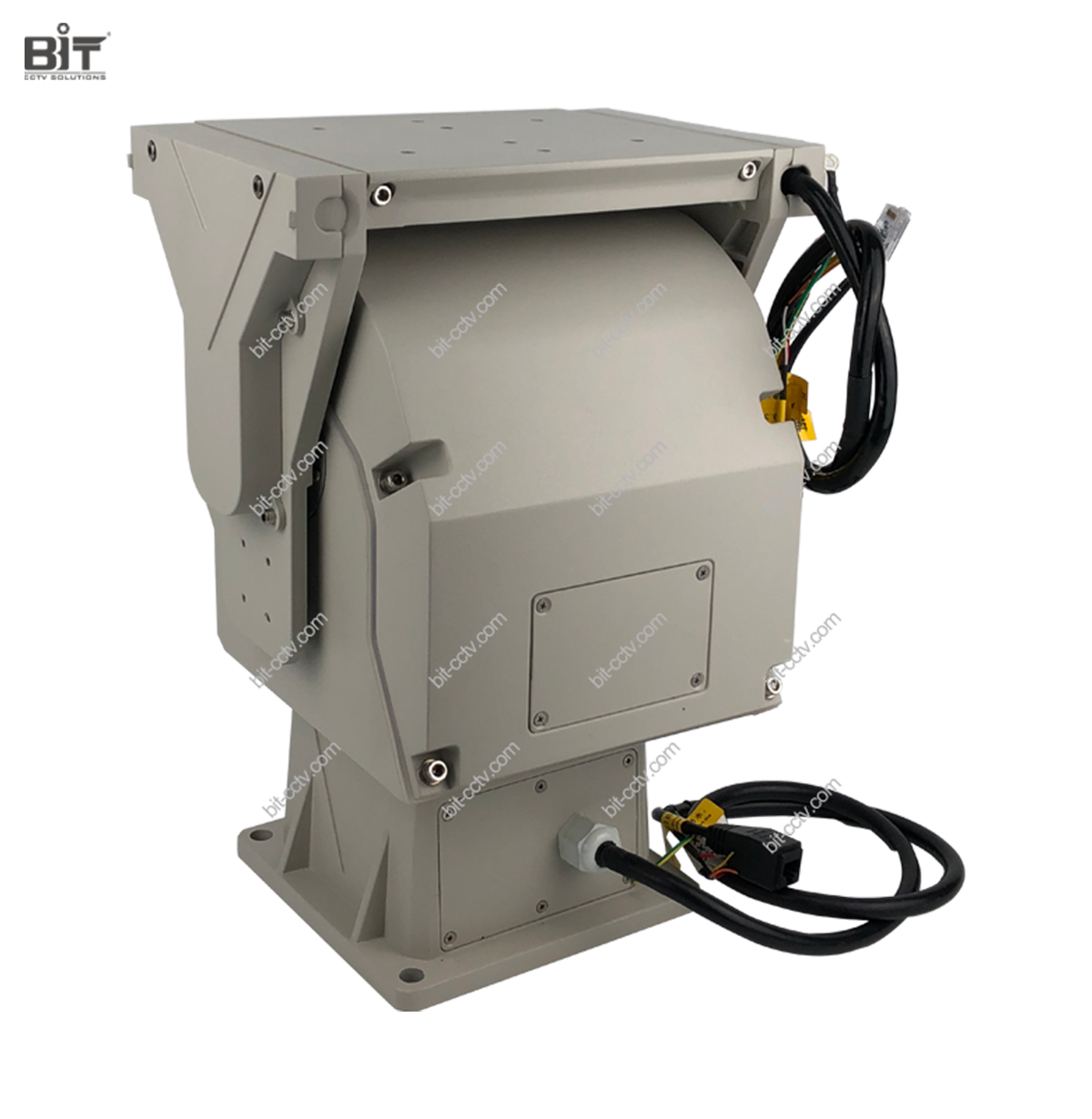
Pan Tilt Units (PTUs) are mechanical devices that provide controlled movement in two axes: pan (horizontal rotation) and tilt (vertical rotation). These systems are widely used in various applications, including surveillance, robotics, photography, and industrial automation.
The ability to precisely control both pan and tilt movements makes PTUs invaluable for applications requiring accurate positioning and tracking of objects or areas of interest.
## Key Components of a PTU System
A typical Pan Tilt Unit Control System consists of several essential components:
– Mechanical frame and mounting system
– High-precision motors (usually servo or stepper motors)
– Motor controllers and drivers
– Position feedback sensors (encoders or potentiometers)
– Control interface (serial, USB, or network)
– Power supply unit
– Protective housing (for outdoor applications)
## Control Methods for PTUs
Modern PTU control systems offer various methods for operation:
### Manual Control
Operators can control the unit using joysticks, control panels, or computer interfaces. This method is common in surveillance and camera applications.
### Programmed Movement
PTUs can execute pre-programmed movement patterns or sequences, useful for automated inspection systems or repetitive scanning tasks.
### Computer Vision Integration
Advanced systems incorporate computer vision algorithms to automatically track and follow objects of interest without human intervention.
## Applications of Pan Tilt Units
PTUs find applications in numerous fields:
– Security and surveillance systems
Keyword: pan tilt unit
– Robotic vision systems
– Astronomical telescopes
– Industrial inspection
– Film and photography equipment
– Military targeting systems
– Virtual reality and motion capture
## Technical Considerations
When implementing a PTU control system, several technical factors must be considered:
– Resolution and accuracy requirements
– Speed and acceleration capabilities
– Payload capacity
– Environmental conditions (temperature, humidity, etc.)
– Power consumption
– Communication protocols
– Maintenance requirements
## Future Developments
The future of PTU technology includes:
– Integration with AI for smarter tracking
– Lighter and more compact designs
– Improved energy efficiency
– Enhanced wireless control capabilities
– Better integration with IoT systems
As technology advances, Pan Tilt Unit Control Systems will continue to play a crucial role in various automated and precision-oriented applications across multiple industries.