Automatic Transfer Switch: Ensuring Uninterrupted Power Supply
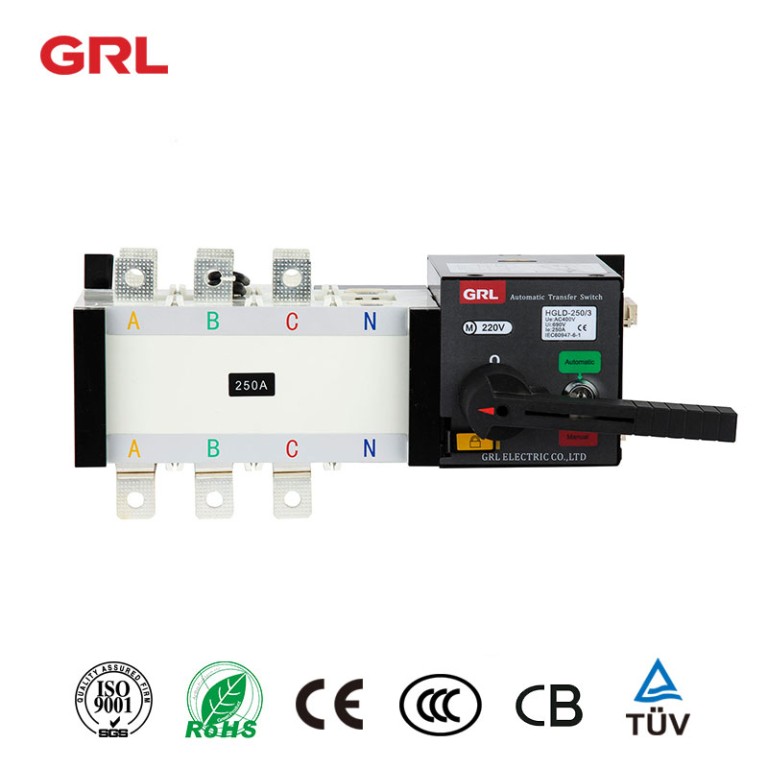
Keyword: Automatic Transfer Switch
# Automatic Transfer Switch: Ensuring Uninterrupted Power Supply
## What is an Automatic Transfer Switch?
An Automatic Transfer Switch (ATS) is a critical component in power management systems that ensures seamless transition between primary and backup power sources. It automatically detects power failures and switches the electrical load to a secondary power source, such as a generator or battery backup system, without manual intervention.
## How Does an ATS Work?
The operation of an Automatic Transfer Switch can be broken down into three main stages:
– Monitoring: The ATS continuously monitors the voltage and frequency of the primary power source
– Detection: When it detects a power outage or significant voltage fluctuation, it initiates the transfer process
– Switching: The switch transfers the load to the backup power source within seconds
## Key Benefits of Using an ATS
### 1. Uninterrupted Power Supply
The primary advantage of an ATS is its ability to maintain continuous power to critical systems. This is particularly important for:
– Hospitals and healthcare facilities
– Data centers
– Industrial processes
– Emergency services
### 2. Enhanced Safety
Automatic Transfer Switches prevent dangerous situations by:
– Eliminating the need for manual switching
– Preventing backfeeding into utility lines
– Ensuring proper synchronization between power sources
### 3. Improved Equipment Protection
By minimizing power interruptions, ATS systems help protect sensitive electronic equipment from:
– Power surges
– Voltage fluctuations
– Complete power loss
## Types of Automatic Transfer Switches
There are several types of ATS available, each designed for specific applications:
### 1. Open Transition ATS
Also known as “break-before-make,” this type briefly interrupts power during the transfer process. It’s the most common and cost-effective solution for non-critical applications.
### 2. Closed Transition ATS
This “make-before-break” switch momentarily parallels both power sources during transfer, ensuring zero interruption. It’s ideal for sensitive equipment.
### 3. Delayed Transition ATS
A hybrid solution that introduces a programmed delay between disconnection and reconnection, suitable for large motor loads.
## Choosing the Right ATS for Your Needs
When selecting an Automatic Transfer Switch, consider these factors:
– Power requirements (voltage and amperage)
– Transfer time specifications
– Number of poles needed
– Environmental conditions
– Compliance with local electrical codes
## Maintenance and Testing
To ensure reliable operation, regular maintenance of your ATS should include:
– Visual inspections for signs of wear or damage
– Cleaning of contacts and components
– Functional testing under load conditions
– Verification of control settings
## Conclusion
An Automatic Transfer Switch is an essential component for any facility that requires reliable power continuity. By automatically detecting power failures and switching to backup sources, ATS systems protect critical operations, equipment, and personnel. Whether for residential, commercial, or industrial applications, investing in the right ATS solution can prevent costly downtime and ensure business continuity during power outages.