Vertical Disconnectors in Power Distribution Systems
# Vertical Disconnectors in Power Distribution Systems
## Introduction to Vertical Disconnectors
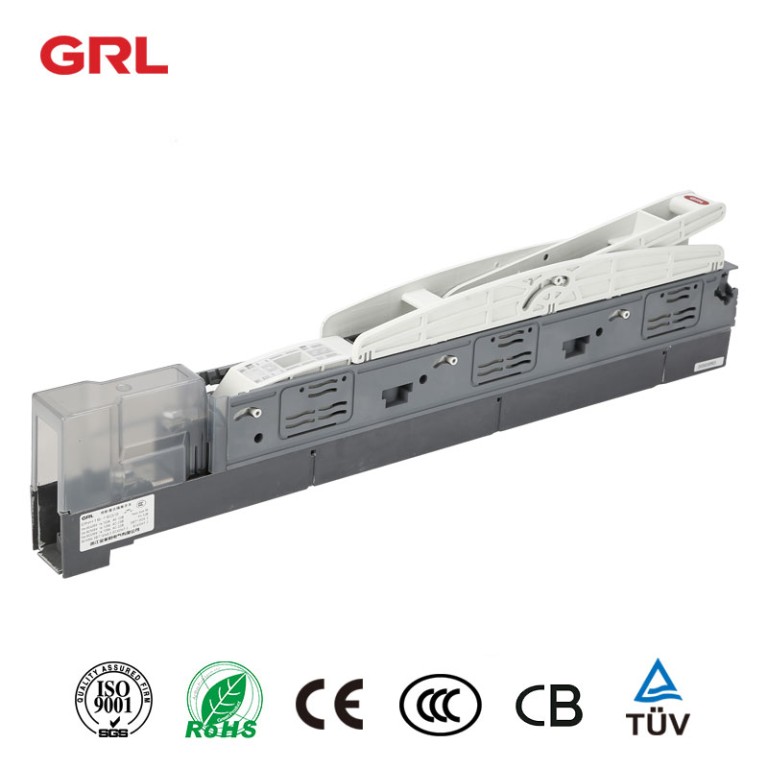
Vertical disconnectors are essential components in modern power distribution systems. These specialized switching devices play a crucial role in isolating sections of electrical circuits for maintenance, repair, or safety purposes. Unlike traditional horizontal disconnectors, vertical disconnectors offer unique advantages in terms of space efficiency and operational reliability.
## Key Features of Vertical Disconnectors
The design of vertical disconnectors incorporates several distinctive features that make them particularly suitable for power distribution applications:
- Compact vertical orientation saves valuable space in substations
- Robust construction for reliable operation in harsh environments
- Clear visible break indication for enhanced safety
- Low maintenance requirements compared to other switching devices
- Compatibility with various voltage levels in distribution networks
## Applications in Power Distribution
Substation Applications
Vertical disconnectors are commonly used in substations where space constraints are a significant consideration. Their vertical configuration allows for efficient use of limited real estate while maintaining all necessary safety clearances.
Overhead Line Isolation
In overhead power distribution systems, vertical disconnectors provide reliable isolation points for line maintenance. Their design minimizes the risk of accidental contact while ensuring positive isolation when required.
Transformer Connections
These devices are frequently employed at transformer connections, allowing for safe isolation of transformers from the distribution network during maintenance or emergency situations.
## Advantages Over Horizontal Disconnectors
Vertical disconnectors offer several benefits compared to their horizontal counterparts:
| Feature | Vertical Disconnector | Horizontal Disconnector |
|---|---|---|
| Space Requirements | Minimal footprint | Larger space needed |
| Installation Flexibility | Can be mounted in tight spaces | Requires more clearance |
| Visual Indication | Clear vertical break visibility | Less obvious position indication |
| Environmental Resistance | Better protection against debris | More exposed to contaminants |
## Maintenance Considerations
Proper maintenance is essential for ensuring the long-term reliability of vertical disconnectors in power distribution systems:
- Regular visual inspections for signs of wear or corrosion
- Lubrication of moving parts as per manufacturer recommendations
- Verification of proper contact pressure and alignment
- Testing of operating mechanisms for smooth operation
- Cleaning of insulating surfaces to maintain dielectric properties
## Future Developments
Smart Disconnector Technology
The integration of smart technologies into vertical disconnectors is an emerging trend. Future designs may incorporate sensors for condition monitoring, remote operation capabilities, and automated fault detection systems.
Material Innovations
Research into advanced materials promises to deliver vertical disconnectors with improved performance characteristics, including better resistance to environmental factors and longer operational lifespans.
Keyword: Vertical disconnectors
Compact Designs
Ongoing development efforts focus on creating even more compact vertical disconnector designs to meet the growing demand for space-efficient power distribution solutions in urban environments.
## Conclusion
Vertical disconnectors represent a critical component in modern power distribution systems, offering space-saving advantages and reliable performance. As power networks continue to evolve, these devices will play an increasingly important role in ensuring safe and