LAL Assays and Gel Clot Assays for Endotoxin Detection
# LAL Assays and Gel Clot Assays for Endotoxin Detection
## Introduction to Endotoxin Detection
Endotoxins, also known as lipopolysaccharides (LPS), are components of the outer membrane of Gram-negative bacteria. These molecules can cause severe immune responses in humans, making their detection crucial in pharmaceutical, medical device, and biotechnology industries.
## Understanding LAL Assays
The Limulus Amebocyte Lysate (LAL) test is the most widely used method for endotoxin detection. This assay utilizes blood cells (amebocytes) from the horseshoe crab (Limulus polyphemus), which react with bacterial endotoxins to form a gel clot.
### Types of LAL Assays
There are three main types of LAL assays:
– Gel Clot Assay
– Turbidimetric Assay
– Chromogenic Assay
## Gel Clot Assay: The Traditional Method
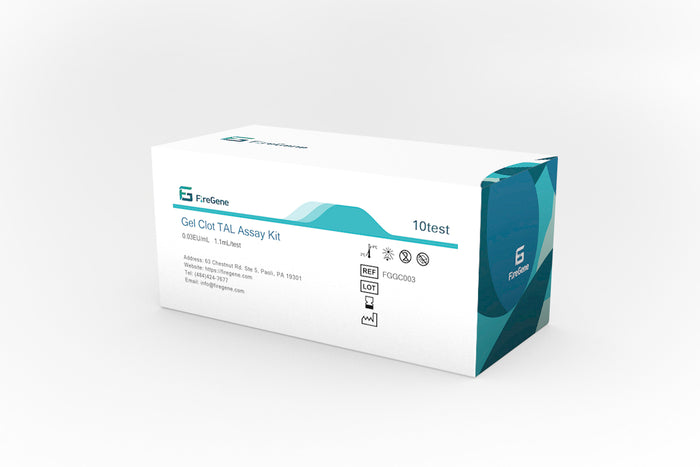
The Gel Clot Assay is the simplest and most traditional form of LAL testing. It provides a qualitative or semi-quantitative measurement of endotoxin presence.
### How Gel Clot Assays Work
When endotoxin comes into contact with the LAL reagent, it initiates a series of enzymatic reactions that ultimately result in the formation of a gel clot. The presence or absence of this clot indicates whether endotoxin levels exceed a predetermined threshold.
### Advantages of Gel Clot Assays
– Simple to perform and interpret
– Requires minimal equipment
– Cost-effective compared to other methods
– Highly specific for endotoxin detection
## Comparing LAL Assay Methods
While Gel Clot Assays are valuable, other LAL methods offer different advantages:
### Turbidimetric Assay
Measures the turbidity (cloudiness) caused by clot formation, providing quantitative results.
### Chromogenic Assay
Uses a synthetic chromogenic substrate that changes color when cleaved by endotoxin-activated enzymes, allowing for precise quantification.
## Applications in Pharmaceutical Industry
Keyword: LAL Assays Gel Clot Assays
LAL assays, including Gel Clot methods, are essential for:
– Quality control of parenteral drugs
– Medical device testing
– Water for injection (WFI) testing
– Raw material screening
## Regulatory Considerations
The United States Pharmacopeia (USP), European Pharmacopoeia (EP), and other regulatory bodies have established guidelines for endotoxin testing using LAL methods, including specific requirements for Gel Clot Assays.
## Future of Endotoxin Detection
While LAL assays remain the gold standard, researchers are exploring alternative methods such as recombinant factor C (rFC) assays to address concerns about horseshoe crab conservation and potential supply limitations.
## Conclusion
LAL Assays, particularly the Gel Clot method, continue to play a vital role in ensuring product safety across multiple industries. Understanding these testing methods is crucial for professionals working in quality control and regulatory compliance.